Comprehensive Overview: What is Porosity in Welding and Just How to stop It
Porosity in Welding: Identifying Common Issues and Implementing Ideal Practices for Avoidance
Porosity in welding is a pervasive concern that frequently goes undetected up until it creates significant issues with the stability of welds. In this conversation, we will check out the vital elements adding to porosity formation, analyze its detrimental impacts on weld efficiency, and discuss the best techniques that can be embraced to decrease porosity occurrence in welding processes.
Typical Reasons of Porosity
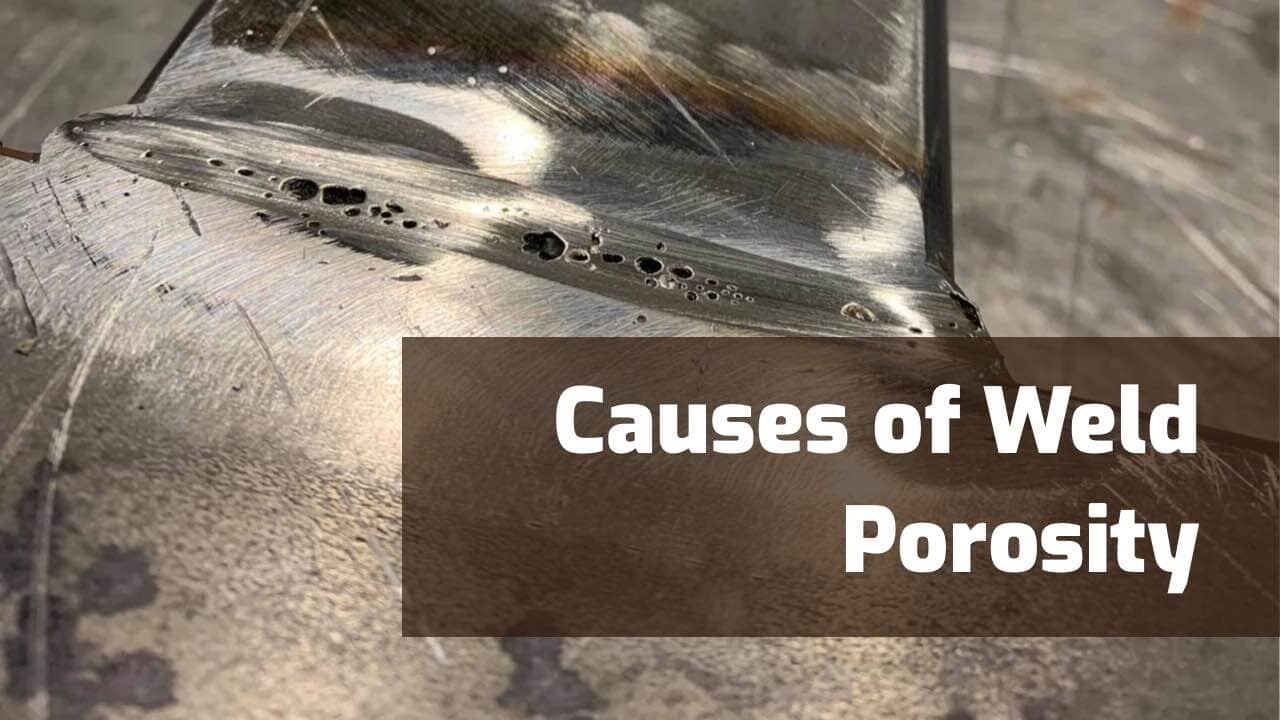
Utilizing dirty or damp filler products can present impurities right into the weld, adding to porosity issues. To minimize these common causes of porosity, thorough cleansing of base steels, proper securing gas selection, and adherence to optimum welding parameters are necessary methods in accomplishing premium, porosity-free welds.
Effect of Porosity on Weld Quality

The existence of porosity in welding can significantly endanger the structural stability and mechanical residential or commercial properties of bonded joints. Porosity produces gaps within the weld steel, weakening its general strength and load-bearing capability.
Welds with high porosity degrees often tend to exhibit lower effect toughness and lowered ability to warp plastically before fracturing. Porosity can restrain the weld's capacity to successfully transfer forces, leading to early weld failing and prospective safety threats in essential structures.
Ideal Practices for Porosity Prevention
To enhance the architectural integrity and top quality of welded joints, what certain actions can be implemented to decrease the occurrence of porosity throughout the welding process? Making use of the appropriate welding strategy for the particular material being welded, such as changing the welding angle and weapon placement, can better prevent porosity. Regular examination of welds and immediate removal of any kind of problems recognized during the welding process are essential methods to protect against porosity and generate high-grade welds.
Importance of Proper Welding Strategies
Applying proper welding methods is paramount in making sure the architectural honesty and high quality of bonded joints, constructing upon the structure of efficient porosity avoidance steps. Extreme heat can lead to increased porosity due to the entrapment of gases in the weld swimming pool. In addition, utilizing the proper welding specifications, such as voltage, existing, and travel rate, is vital for accomplishing audio welds with marginal porosity.
Furthermore, the you can check here option of welding procedure, whether it be MIG, TIG, or stick welding, need to line up with the certain needs of the job to guarantee optimum outcomes. Appropriate cleaning and prep work of the base steel, along with selecting the right filler material, are also vital elements of efficient welding strategies. By sticking to these ideal methods, welders can decrease the risk Visit Your URL of porosity formation and create high-quality, structurally sound welds.
Testing and High Quality Control Procedures
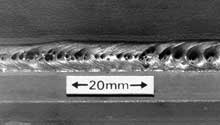
Quality assurance actions play an essential function in verifying the integrity and dependability of welded joints. Checking procedures are essential to identify and protect against porosity in welding, making sure the toughness and longevity of the last item. Non-destructive screening approaches such as ultrasonic screening, radiographic screening, and visual inspection are frequently investigate this site employed to recognize prospective issues like porosity. These methods enable for the analysis of weld high quality without jeopardizing the stability of the joint. What is Porosity.
Post-weld inspections, on the other hand, analyze the final weld for any type of problems, including porosity, and verify that it satisfies defined standards. Executing an extensive quality control strategy that includes complete screening procedures and evaluations is vital to decreasing porosity issues and making certain the general high quality of bonded joints.
Verdict
To conclude, porosity in welding can be a common issue that impacts the high quality of welds. By determining the common reasons for porosity and executing finest methods for avoidance, such as appropriate welding techniques and testing steps, welders can guarantee top quality and reputable welds. It is necessary to focus on avoidance techniques to lessen the incident of porosity and preserve the integrity of bonded frameworks.